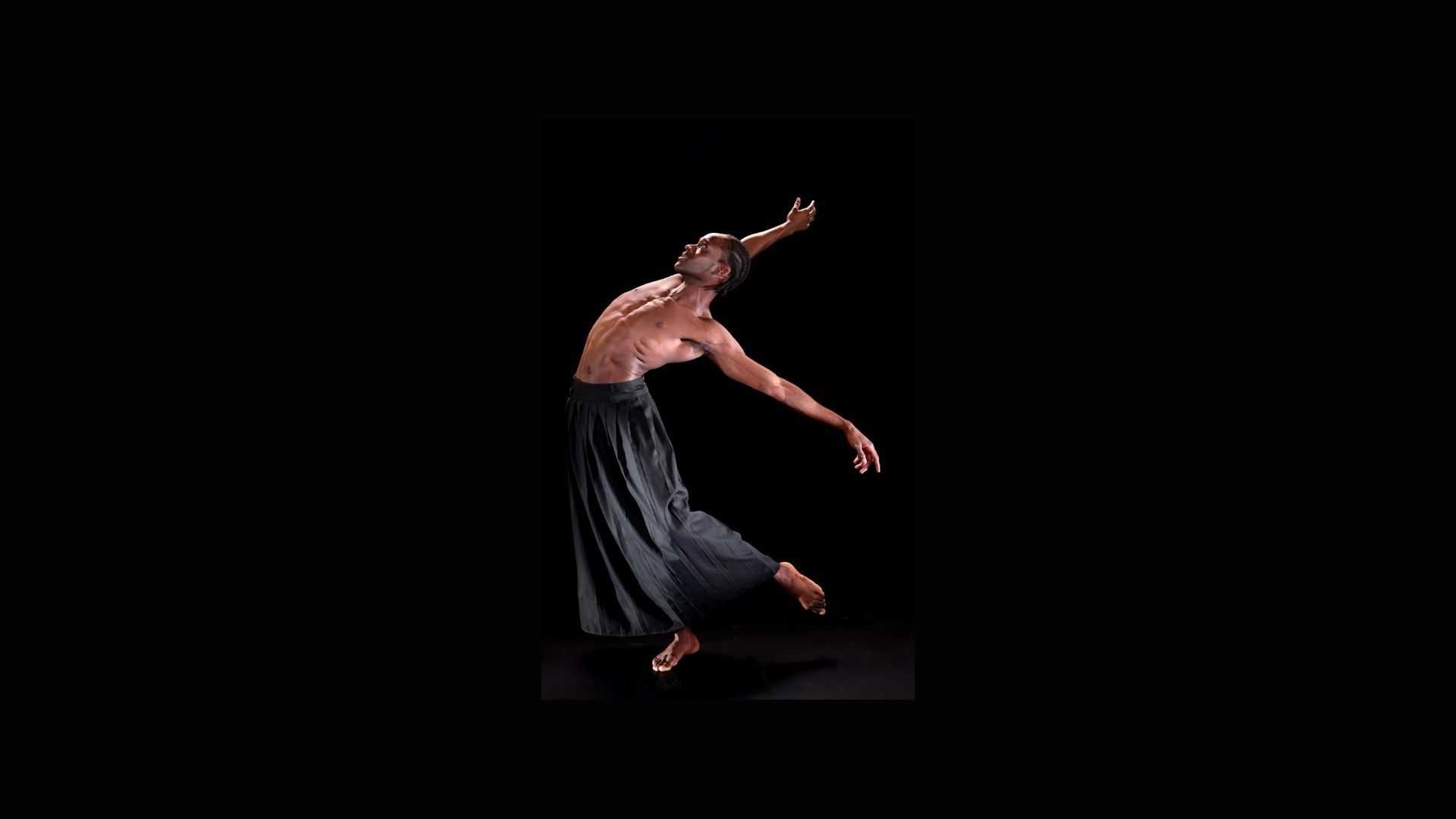
Art Under Construction: WATERWORKS Fellow Kamani Abu
January 4
ABOUT THE WORK
This work focuses on society. The track entitled The Devil You Know, voiced by Aja Monet, is a call to reflection. I truly wanted to explore as well as utilize what we already know. We know that “we” (American citizens) are divided. We have been divided for many years, and may I say, since the creation of the “United” States. This country was created from greed and envy, and we cultivated a community based on these principles. This community in which we find ourselves is the heart of the work. Our community truly isn’t a community because the devil we know is us. There are several forms of betrayal within all levels of this community, socially and politically, leading to a lack of trust and deepening the divide. The work starts with very synchronized and precise moments between the dancers, and as they continue, we can see the betrayal physically. There are moments when someone is trying to assert dominance, such as pushing someone onto the floor and continuing the movement to see if that person will get back up and fall in line with the rest of the community. As the work progresses, there is a moment where each dancer witnesses these betrayals, but as they try to speak up, they are physically silenced by their own hand. As Monet begins to speak about the devil we know she references the broken healthcare system, environmental issues, corporate America, and the importance and usage of identity. When facing these issues, we utilize humor, as Monet states, within the spoken word. This work also utilizes elements of theatrical humor, such as exaggerated facial expressions and gestures, all to keep us in the elements of real life, which comprises the negative emotions but also the release of them, sometimes it is humor, and sometimes it is sorrow or anger. This work truly focuses on us as a society and how we have dealt with and are still dealing with these issues. I’m interested in seeing how the development and story of this work will continue to unfold as it is still being created; however, as the process continues, I will continue to have open dialogue with the dancers to discuss the ideas that Monet references within the latter half of the spoken word, such as voting rights, minimum wage, and most importantly, revolution.
Why This, Why Now
Monet utilizes horns, saxophones, as well as background vocals, which set the mood of the track with a jazz club feeling, almost set in the 60’s/70’s, as well as references historical moments such as the moon landing in 1969. However, this doesn’t negate the fact how current the issues she is referencing are to the year 2025 and, dare I say, 2026. When listening to the track, I couldn’t help but find parallels and feel drawn to it. This track emphasizes the importance of voting, the importance of identity, the importance of community, and the importance of revolution (just to name a few). All these things I would consider as core values within America. If we examine this past presidential election, it was very interesting to me, to say the least, not just because of who won the presidency, but because I had numerous conversations with people who actively decided not to vote because they thought their vote “didn’t matter.” This thought alone is dangerous for various reasons, but at its root, it reveals how insignificant we, the American citizens, feel. This insignificance will be our downfall, and it has been proven with everything happening since the inauguration of the current president. As we continue to see what the future holds, we have to remember our voice matters. What we have to say matters. No matter if we think no one is listening, we have to continue to speak. We cannot allow ourselves to be silenced because once we are silenced, we feel insignificant. Monet brings this call to action.
Concept
The themes guiding this project are solidarity, silenced honesty, and coping mechanisms. Solidarity amongst the dancers as a whole, but also solidarity within themselves. Solidarity is what connects us, having these mutual agreements as well as unspoken rules that vary within society. Silenced honesty due to the feeling of insignificance. This idea is dangerous, as I previously stated, calling to action the