Love Exist at the End of the World
January 2
Love Exist at the End of the World
ABOUT THE WORK
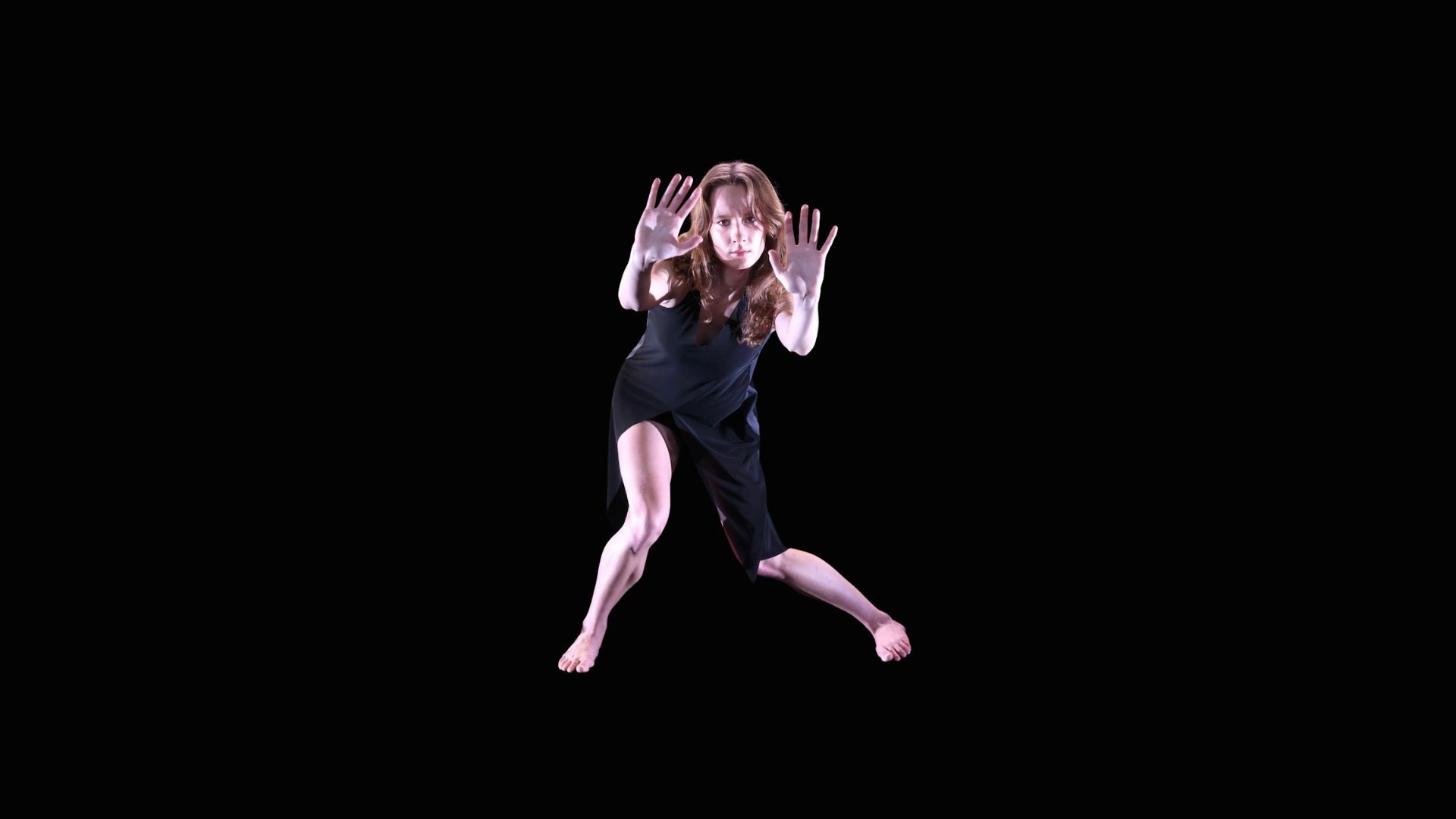
Love Exists at the End of the World explores the hope found in human connection during a dark time in world history and serves as an act of resistance to an increasingly dystopian sociopolitical climate. The current saturation of hatred, violence, and tragedy in the media is overwhelming. These stories occur in cycles: shock, outrage, protest, dialogue, indifference, and amnesia. When violence and division become normalized, society loses sight of humanity and becomes numb to human suffering. This piece imagines the end of the world both through the perspective of the media-consuming audience and through individuals experiencing the suffering and fear personally. As long as humans survive, so will love. I hope that “Love Exists at the End of the World” will spark conversation and inspire people to find flickers of love and humanity in the darkness.
Why This? Why Now?
This piece is urgent. Hatred, political division, violence, fear, and misinformation are rampant. Despite constant attachment to media networks, human beings are more disconnected from each other than ever before. Compassionate, moral leadership is waning. I feel a call to take artistic action to illustrate the devastation that results from the loss of humanity and to reinforce the importance of empathy and human connection. In an environment where interminable violence seeks to drive us to despair, we must remember that love persists.
Concept
“Love Exists at the End of the World” is a 20-minute ensemble work, featuring 8 female-identifying dancers, using prerecorded music. The dance is divided into four sections: prologue, part 1, part 2, and a final duet. The dancers wear two sets of costumes throughout the piece–uniform for the prologue and part 1, and individual in part 2 and the final duet. The prologue serves as a warning and foreshadowing for the rest of the work, commenting on the risks of becoming numb to human suffering. Part 1 reflects the spectacle of the end of the world in the media, addressing issues such as war, mass shootings, pandemics, and climate change. Part 2 reveals the evolution of the end of the world in specific communities, focusing on how interpersonal conflicts can grow into greater manifestations of violence. The final duet illuminates an ambiguous love generated by two women who find the trust to join hands and support each other.