
June 16
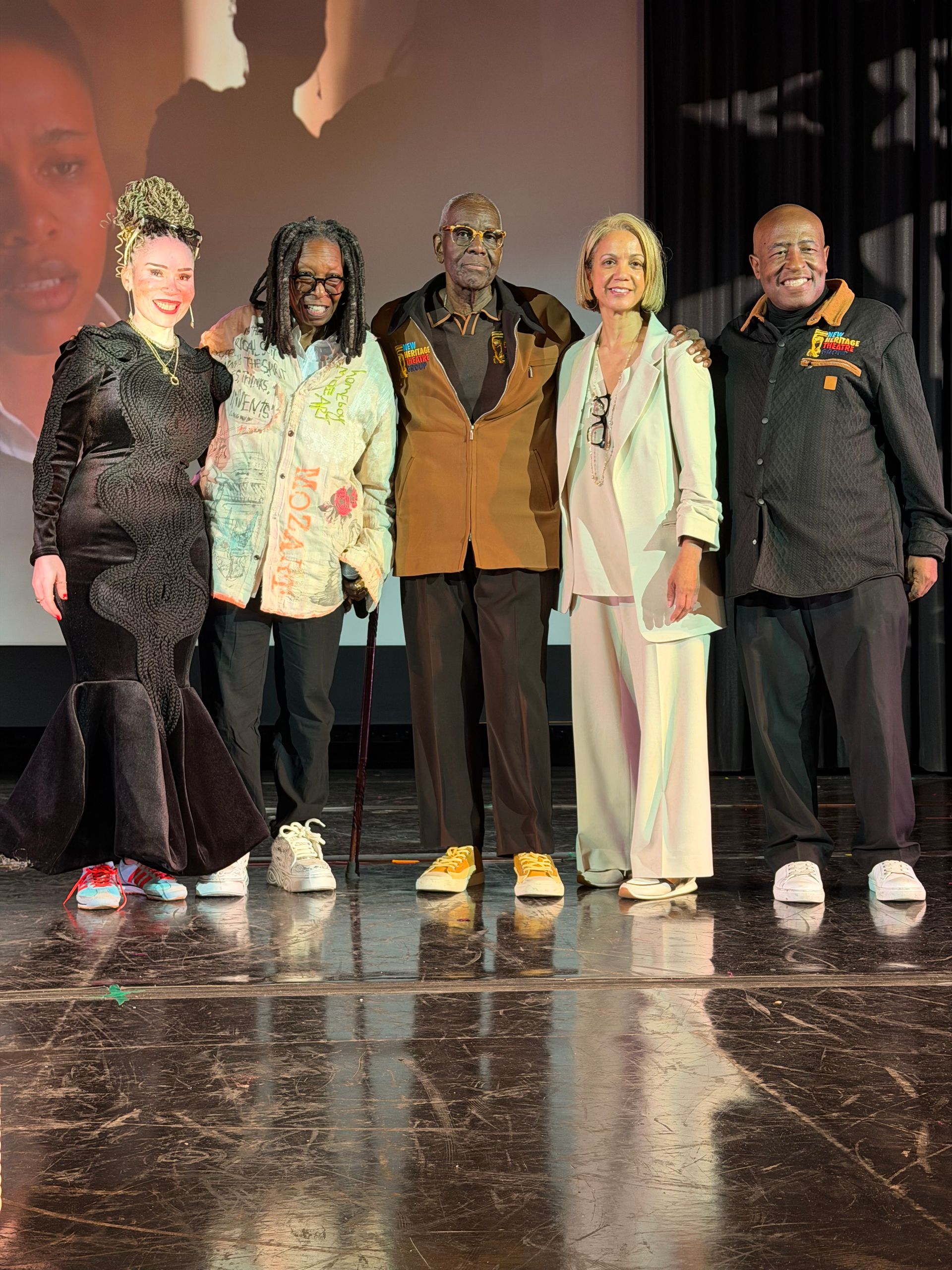
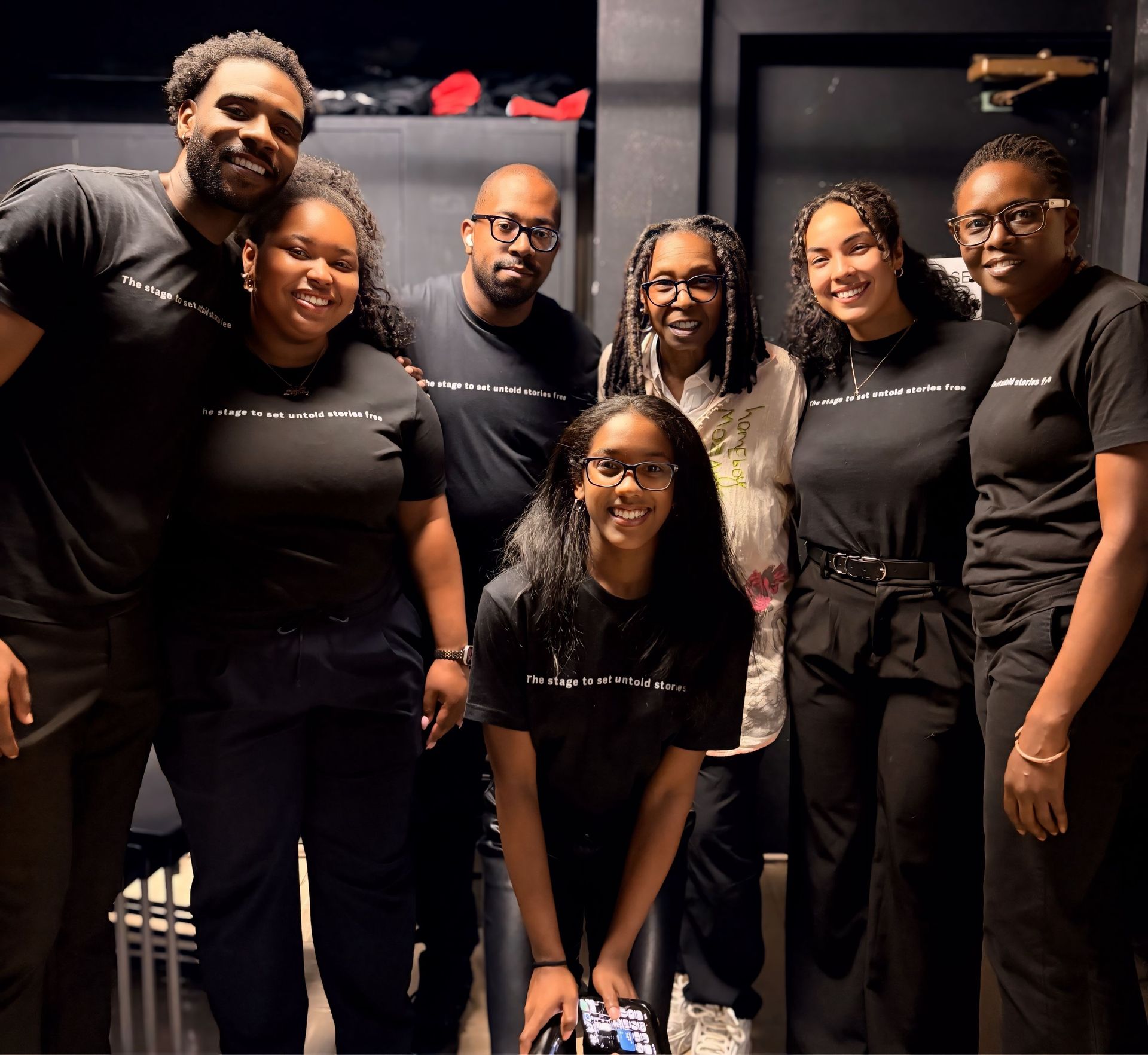
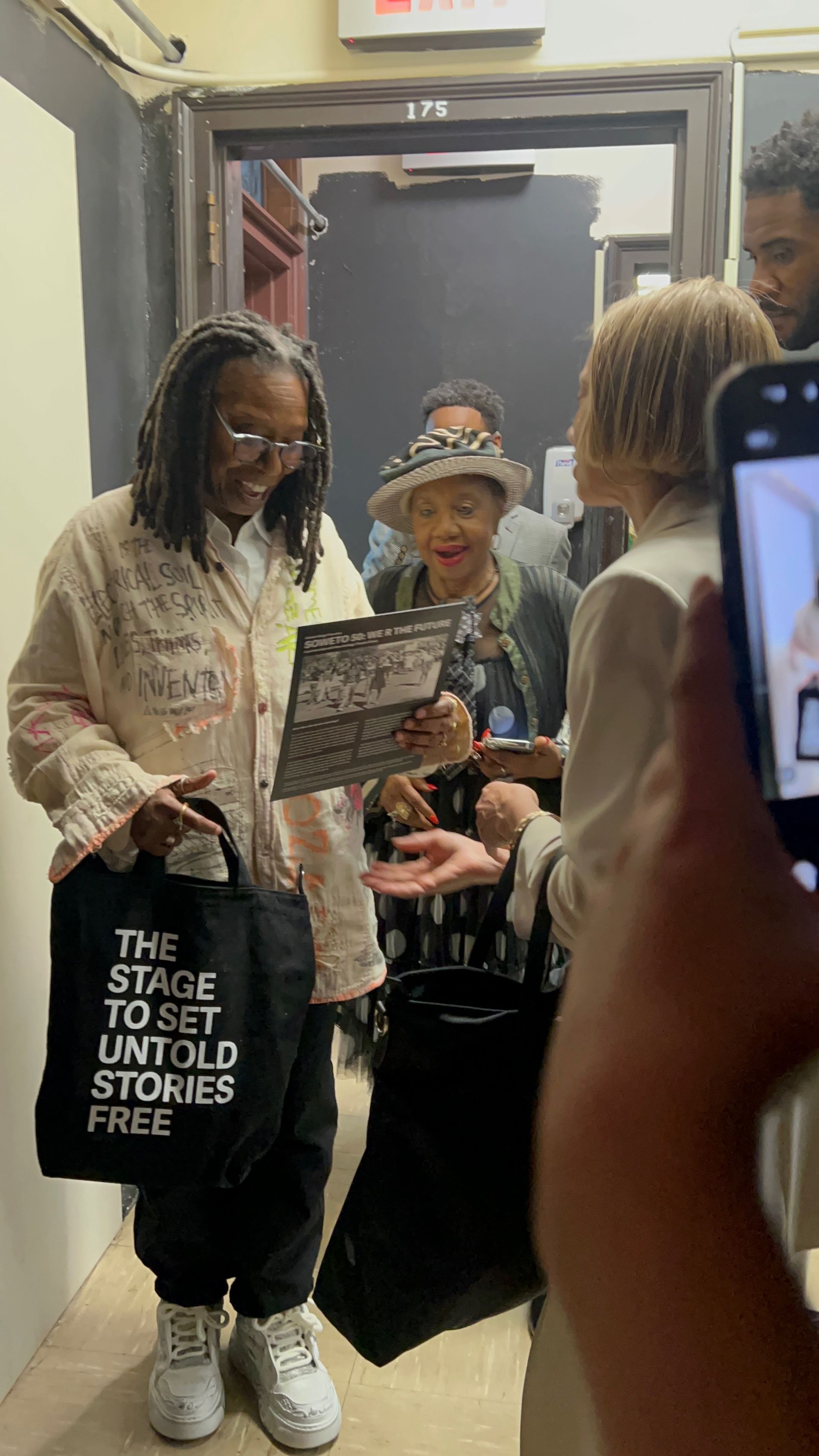
Harlem Stage partners with New Heritage Theater Group to produce SOWETO 50: We R the Future at A. Philip Randolph Campus High School; a program commemorating the 50th anniversary of the Soweto Uprising.
SOWETO 50 is a multidisciplinary program honoring the legacy of the 1976 Soweto Uprising led by young people in South Africa through art, film, performance, and dialogue.
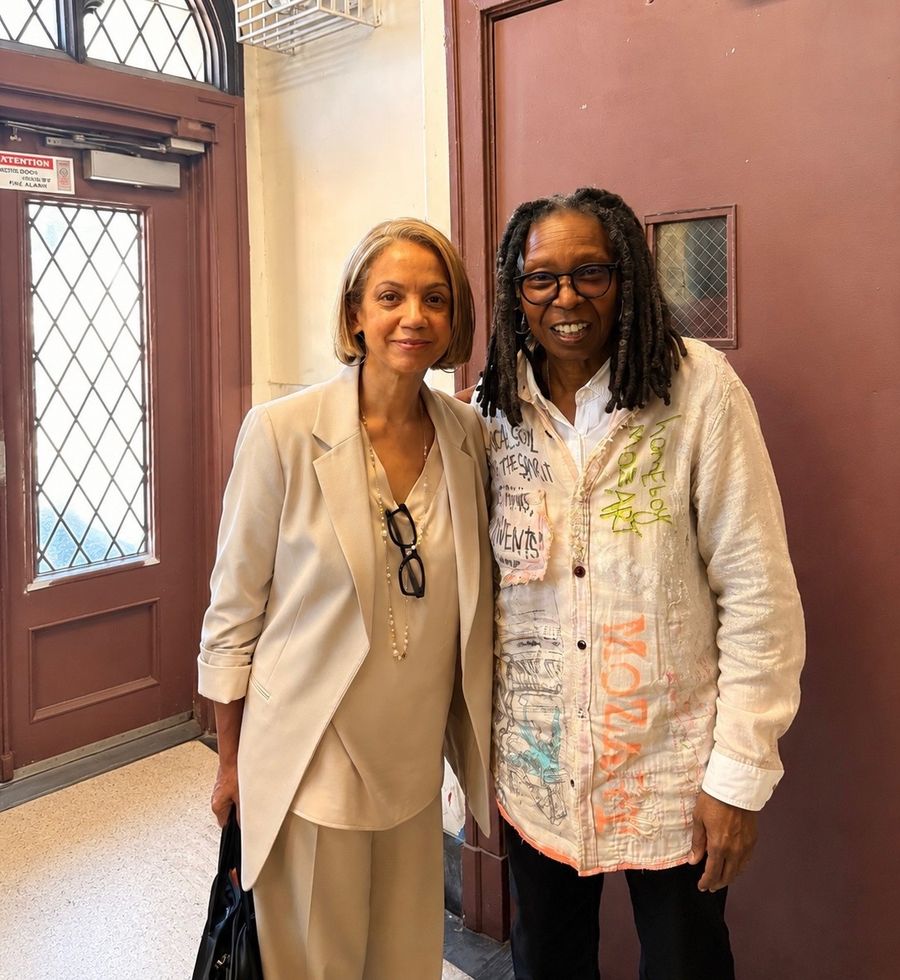
The program will features a live panel discussion with South African artists Pearl Khwezi and Mduduzi Madela from the Broadway cast of The Lion King, and acclaimed Leleti Khumalo, who starred as Sarafina in the 1992 film Sarafina! Together, they will spoke directly with students about storytelling, artistry, South African culture, and the enduring legacy of the Soweto Uprisings. Following the panel, students will experienced a live South African drumming performance by PitsiRa Ragophala of Bridges: A Pan-Afrikan Arts Movement. The event ended with a screening of Sarafina! And a guest appearance by Whoopi Goldberg.
Through live performance, intergenerational dialogue, and film, SOWETO 50 invites young people to reflect on the power of youth activism, cultural expression, and collective resistance across generations.
What Were the Soweto Uprisings?
On June 16, 1976, thousands of Black students in Soweto, South Africa organized a peaceful protest against the apartheid education system. Students strongly opposed a government rule forcing Black children to learn in Afrikaans, a language associated with the white-minority government that enforced racial segregation and oppression. The protest was also a response to the Bantu Education Act of 1953, which created a deeply unequal school system for Black South Africans.
Under apartheid, the education system was intentionally designed to limit the futures of Black students. Schools discouraged critical thinking and prepared many young people for low-paying labor, rather than positions of leadership or opportunity. The Soweto Uprisings were a demand for the right to learn freely, think critically, and be treated with dignity.
What began as a peaceful student march quickly turned violent when police used tear gas and opened fire on the crowd. Hundreds of students were injured, and many were killed. Images of young people fleeing police violence, including the famous photograph of 13-year-old Hector Pieterson being carried after being shot, spread around the world and became symbols of resistance against apartheid.
The Soweto Uprisings became a major turning point in the fight for freedom in South Africa. The courage and bravery of the students rippled across South Africa and the world, inspiring greater resistance against apartheid and reminding people everywhere of the power young people have to create change.